From March 2 to 5, MWC26 will take place in Barcelona, Spain, bringing together approximately 2,900 companies from 205 countries to showcase a wide range of technologies and services. The event’s organizer, GSMA, has announced this year’s theme as “The IQ Era.”
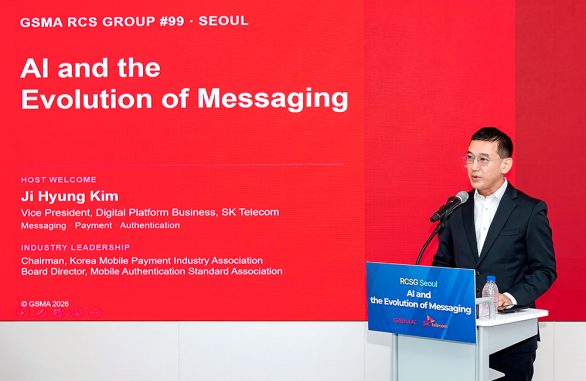
SKT Newsroom spoke with Julian Gorman, Head of Asia Pacific at GSMA, about expectations for MWC26, key trends to watch, the evolving role of telecom operators in the AI era, and the significance of SKT’s presence in MWC’s history.
* This article includes the views of external organizations and may not necessarily represent the official position of SK Telecom.
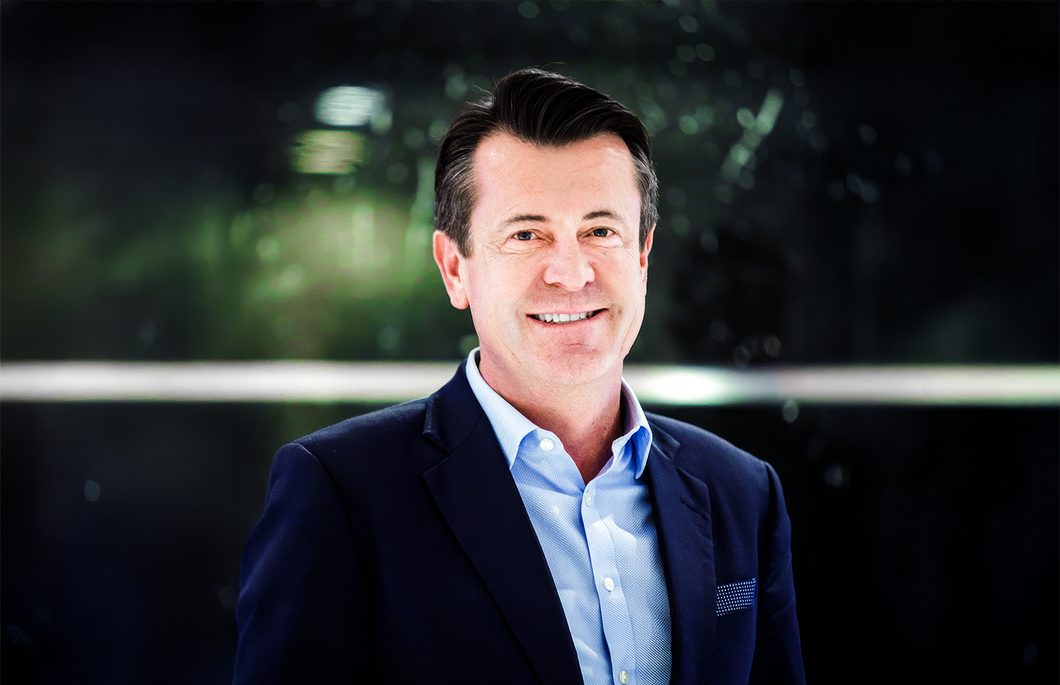
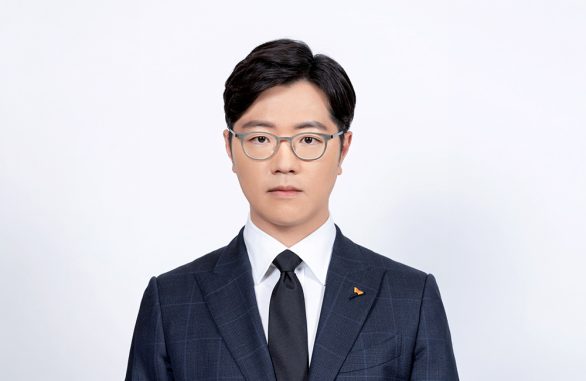
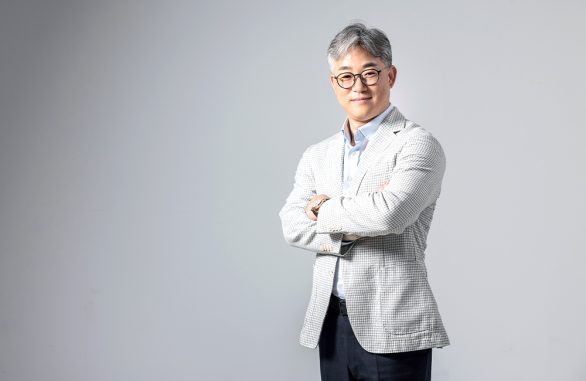
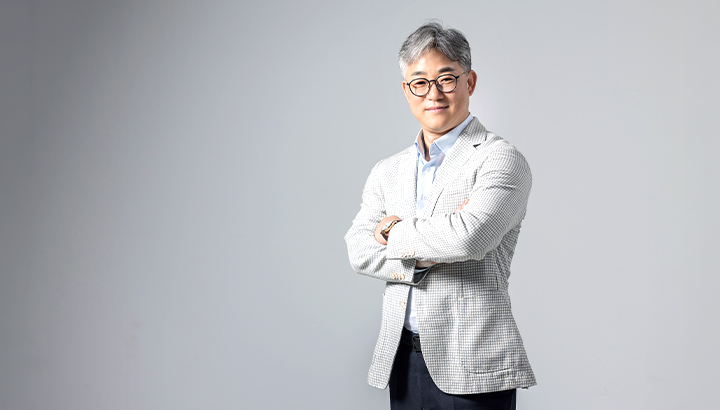
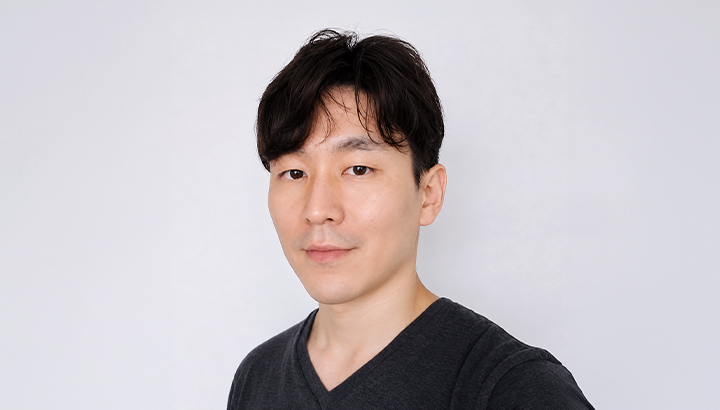
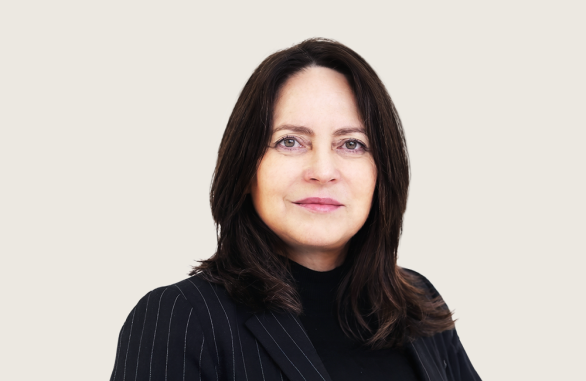
Julian Gorman, Head of Asia Pacific at GSMA
MWC Solidifies Its Position as a Premier Platform Shaping the Future
Q1. Could you briefly introduce yourself and your current role at GSMA?
I’m Julian Gorman, Head of Asia Pacific at the GSMA. In this role, I lead our strategic initiatives across the region, working to bridge the gap between breakthrough technology and societal benefit. A significant part of my focus is on securing the digital ecosystem for the next generation of users, ensuring that as connectivity expands, it does so in ways that are safe, inclusive, and sustainable. The APAC region is home to some of the world’s most dynamic mobile markets, with South Korea being one of the world’s leading Digital Nations. I’m privileged to work with operators, governments, and ecosystem partners who are shaping what comes next.
Q2. What are the main themes and defining keywords of this year’s MWC, and from the organizer’s perspective, why do you believe this year’s event is drawing particular attention?
This year’s MWC Barcelona is built around the theme “The IQ Era” – a new age of intelligence through smarter connection. The defining keywords are Intelligent Infrastructure, ConnectAI, AI 4 Enterprise, AI Nexus, Tech4All, and Game Changers. Together, these themes explore how ideas can drive technological and societal progress when we embrace the collective knowledge of the mobile ecosystem.
What makes this edition especially significant is that it marks MWC’s 20th year in Barcelona, two decades of industry-defining moments and partnerships. We are also witnessing a pivotal moment for the industry, as advanced connectivity is being deployed across real environments at unprecedented scale. From the debut of “Airport of the Future” featuring the first live, full-scale motional digital twin at a technology event to the “New Frontiers” zone exploring quantum computing, physical AI, and satellite networks, this year’s programme is designed to showcase real-world innovations that demonstrate how we will live in the future.
Q3. From the perspective of consumers, what trends or developments at this year’s MWC are particularly worth paying attention to?
From a consumer perspective, MWC26 Barcelona offers a clear window into how intelligent connectivity will reshape everyday experiences in the years ahead. As outlined in the latest materials from the GSMA, this year’s focus on “The IQ Era” signals a shift from simply delivering faster networks to enabling smarter, more adaptive services embedded across daily life.
The “Airport of the Future” zone is a strong example of this in action, demonstrating how connected technologies are reimagining air travel-from digital luggage tagging and pet travel passports at check-in to personalized cabin environments onboard connected aircraft. These are not distant concepts; they are being actively deployed and scaled to improve real-world journeys. Beyond mobility, wearable AI is another area gaining momentum. Meta will bring its immersive Meta Lab to MWC for the first time, showcasing advances in wearable AI, while OURA highlights how intelligent devices can support health, wellbeing and productivity in everyday routines.
AI’s growing presence in consumer services is also a key theme. Character.AI will explore the evolution of AI companions and conversational interfaces, reflecting a broader industry shift toward more personalized and intuitive digital interactions across entertainment, financial services and healthcare. At the same time, the human dimension remains central. The #ChangeTheFace Alliance sessions underscore the importance of inclusion as AI becomes further embedded in products and services, reinforcing that innovation must reflect the diversity of the communities it serves.
Taken together, the developments highlighted by GSMA position MWC26 not just as a showcase of new technologies, but as a preview of how intelligent connectivity will meaningfully enhance the quality, relevance and inclusivity of everyday digital life.
Telecom Operators Evolving into Trusted Infrastructure to Lead Sovereign AI
Q4. As the industry enters the AI era, what key transitions or strategic priorities is GSMA focusing on in response to this shift?
Our goal is to ensure the mobile industry helps scale AI responsibly. That includes stronger intelligent infrastructure, more collaboration across sectors, and updated policy frameworks that support safe innovation.
We’re helping operators move from connectivity providers to national AI platform providers by bringing together governments, technology partners, and industry actors. Through Connectivity for Good, we’re also expanding work on digital inclusion, including integrating the #ChangeTheFace Alliance. Diversity matters now more than ever, as AI will shape how societies use technology.
We also work closely with the Global Telco AI Alliance led by SK Telecom. On top of that, SK Telecom is an active member of GSMA Asia Pacific Cross Collaboration Anti Scam Taskforce (ACAST), where it is using AI to help address scams and fraud – an area of rising concern across many markets.
Q5. In this AI-driven transformation, how do you see the role of telecom operators evolving in the years ahead?
Telecom operators are evolving from connectivity providers into what we might call the “trusted infrastructure” of sovereign AI. This shift is already underway, and it reflects both the unique assets operators possess and the strategic investments they are making.
Operators bring unparalleled customer reach, deep relationships with governments, and existing infrastructure that positions them to be providers of AI infrastructure and AI-powered services. As NVIDIA’s Chris Penrose observed at the SK AI Summit 2025, telcos are helping build the sovereign AI infrastructure for their nations driving economic growth, upskilling talent, and providing platforms for AI innovation.
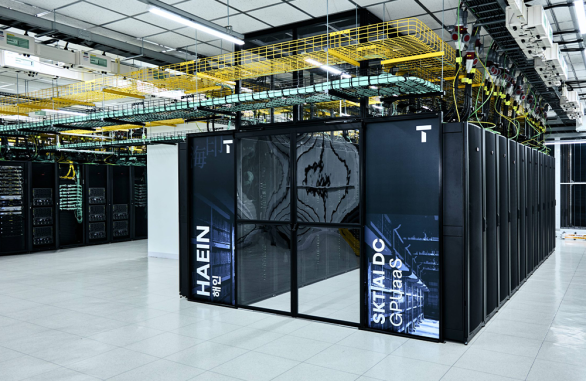
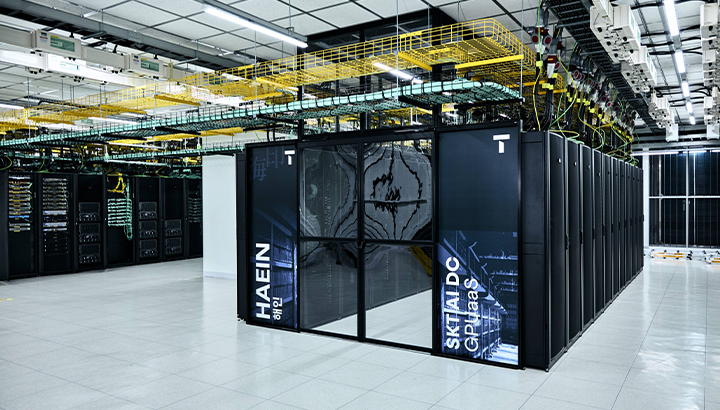
We also see operators climbing up the value chain. SK Telecom’s approach exemplifies this: developing and open-sourcing Korean language large language models, partnering with leading AI companies like Anthropic and OpenAI to co-develop industry-specific services, and building scalable GPU-as-a-service platforms that serve enterprises, SMBs, and government agencies. This positions the operator not just as a network provider, but as an enabler of national AI ecosystems.
Looking ahead, as agentic AI and advanced reasoning systems mature, operators will play a critical role in serving low-latency inference at scale, integrating AI agents into workflows, and managing increasingly complex agent-to-agent communications across their networks. GSMA is committed to supporting this evolution through policy engagement, ecosystem collaboration, and platforms like MWC that bring the industry together to shape what comes next.
SKT Shaping Industry Innovation at MWC
Q6. SK Telecom has participated in MWC consistently since 2010, showcasing a wide range of technologies over the years. How do you view this long-standing participation?
SK Telecom’s sustained presence at MWC over the past 16 years reflects a company that has consistently been at the forefront of mobile innovation. From early leadership in LTE and 5G to today’s pioneering work in AI and large language models, SKT has used MWC as a platform to demonstrate not just what is technologically possible, but what is commercially viable and beneficial to consumers and enterprises alike.
What distinguishes SKT’s participation is the depth of engagement. Beyond showcasing products and services, SKT has contributed to shaping industry direction through thought leadership, consortium-building, and collaboration with ecosystem partners. The Global Telco AI Alliance is a prime example of how the company is working to accelerate AI adoption across the global telecommunications industry.
SKT’s approach also embodies the spirit of MWC itself: bringing together diverse perspectives to advance connectivity for good. Their Partner Programme sessions consistently draw strong attendance, and their exhibitions provide attendees with tangible examples of how advanced connectivity is being deployed in real environments. We value this partnership and look forward to continuing to collaborate as the industry enters its next chapter.
Q7. Are there any particular aspects of SKT’s exhibition at this year’s MWC that you are especially looking forward to?
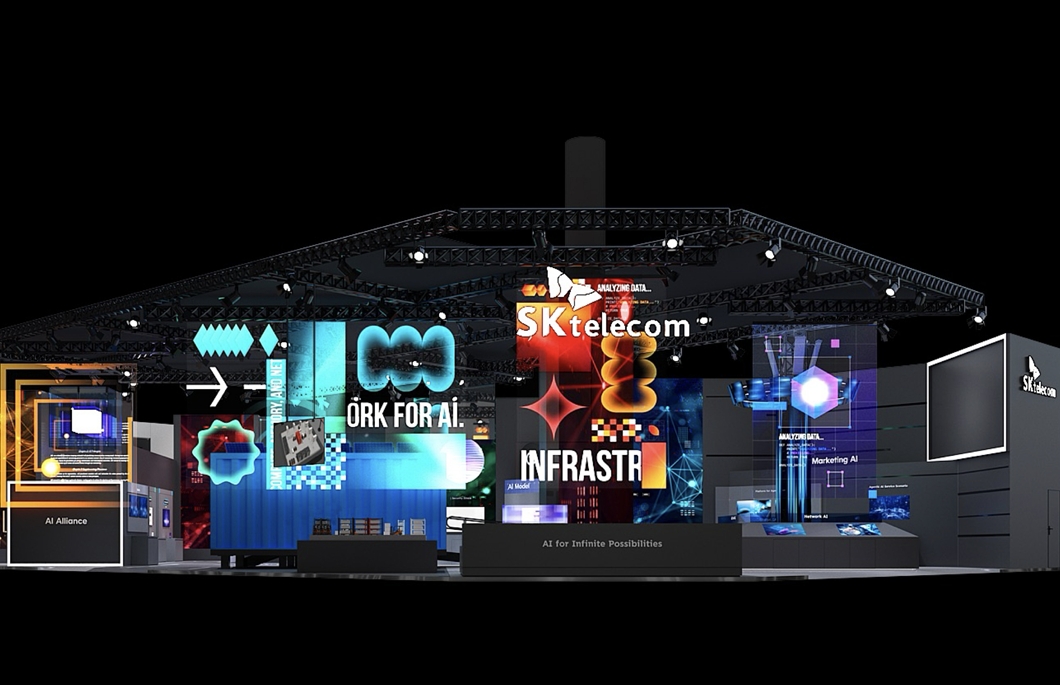
I’m particularly excited about several standout aspects of SK Telecom’s exhibition at MWC26 Barcelona under their theme “AI for Infinite Possibilities” and more on their innovations around deeply integrating AI into telecom and beyond.
In particular, I’m looking forward to their demonstration of core AI infrastructure capabilities, especially the advancements in AI-native network technologies like AI-RAN, which promises to revolutionize how networks operate intelligently and efficiently, along with AI agents for network management, AI data centers, and agentic AI systems that enable more autonomous and adaptive operations.
I’m also eager to see their expansion of Physical AI services into real-world industries such as manufacturing and healthcare, where AI moves from digital to tangible physical applications, transforming processes and outcomes.
Overall, SK Telecom’s booth seems poised to offer a forward-looking, end-to-end view of AI’s role in connectivity and society that could spark meaningful discussions and partnerships at the event.