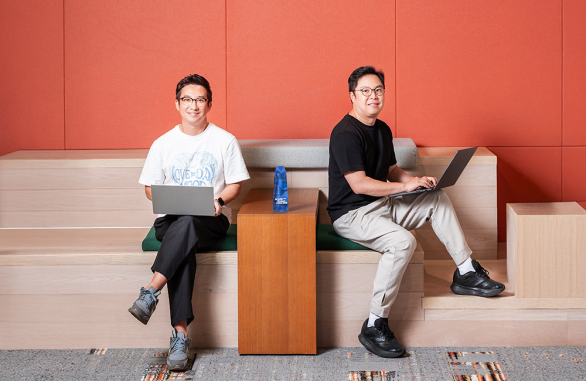
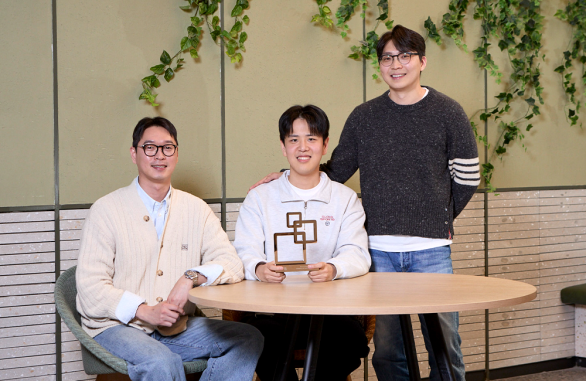
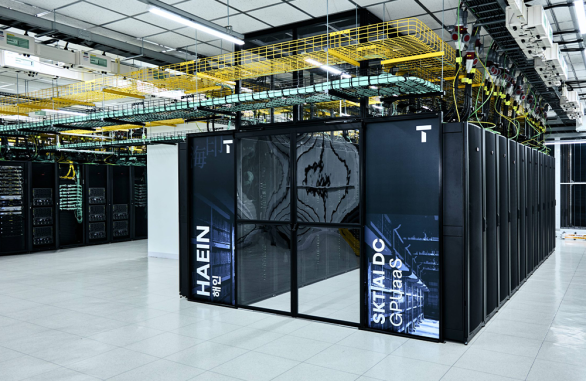
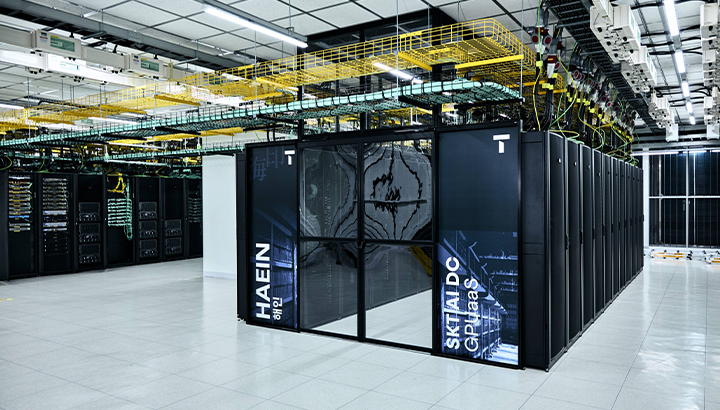
Launched in February 2023 with seven companies, the ‘K-AI Alliance’ has grown into a national AI coalition with 31 member companies in just two years. The K-AI Alliance, led by SK Telecom, is a Korean AI startup consortium consisting of innovative AI companies across various industries.
Among them is ImpriMed, a startup developing AI-based personalized anti-cancer treatment solutions and receiving the spotlight in the field of precision medicine. The company’s technology analyzes patients’ drug sensitivity and cell data using AI to suggest the optimal combination of anti-cancer drugs.
Its services for pets have been commercialized at over 340 veterinary hospitals in the U.S., accumulating over 21,000 test cases, and commercialization for their technology targeting humans is currently under preparation.
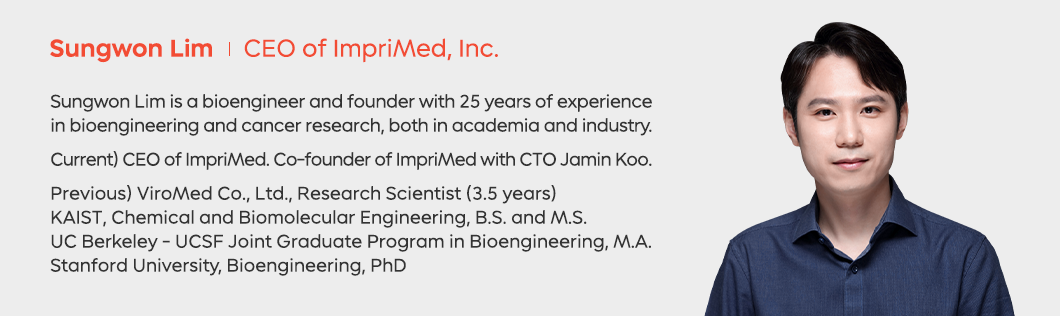
SKT Newsroom spoke with ImpriMed CEO Sungwon Lim about the development process of their precision medicine technology and the outcomes of participating in the K-AI Alliance.
* This article contains the opinions of other companies and may differ from SK Telecom’s official position.
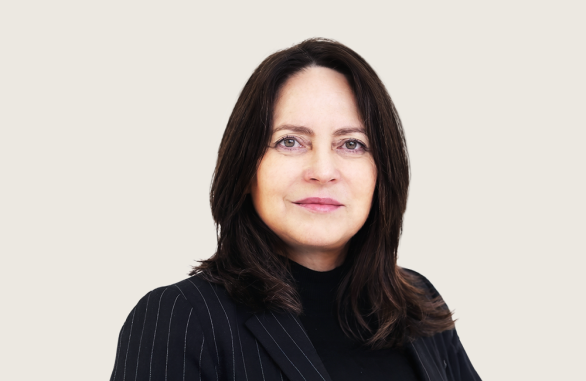
ImpriMed CEO Sungwon Lim: “We connect the right drug to the right patient.”
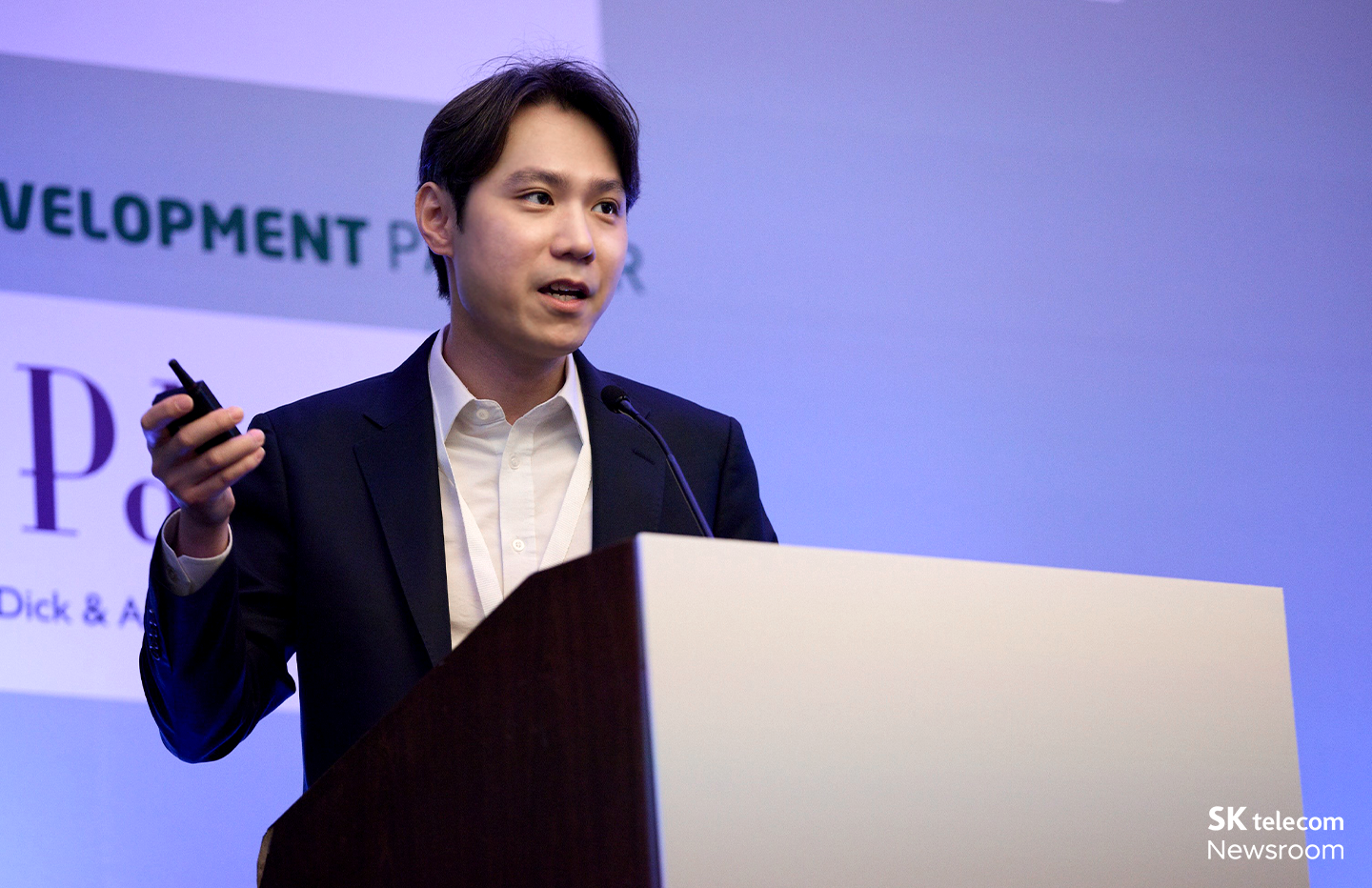
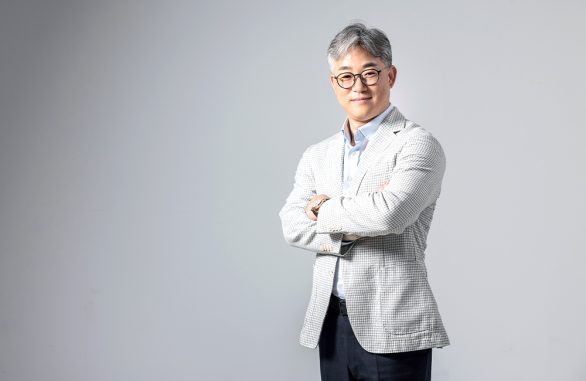
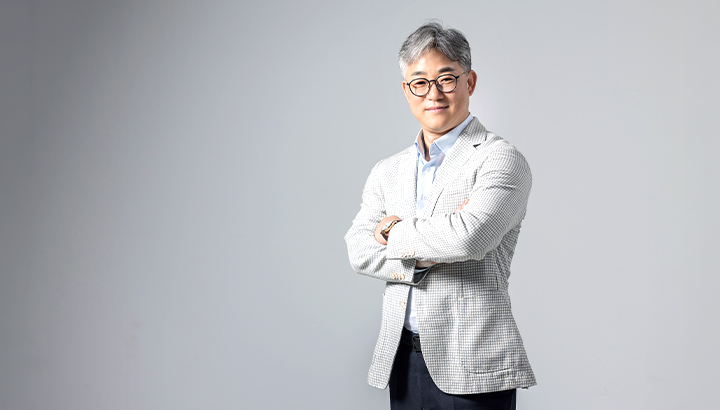
Sungwon Lim, CEO of ImpriMed
ImpriMed provides hospitals with a precision medicine service that identifies the optimal cancer treatment for cancer patients by developing AI models that can predict in vivo drug responses. It helps physicians select effective drugs by excluding those that do not kill cancer cells. The goal is to shorten treatment duration, reduce side effects and treatment costs, and increase treatment effectiveness.
Currently, ImpriMed has commercialized services for pets with blood cancer in the U.S. market. The company is also conducting ongoing research for humans which the company plans to commercialize in Korea within the year and in the U.S. next year.
Additionally, ImpriMed offers Contract Research Organization (CRO) services to pharmaceutical companies. This service tests the efficacy of new drugs before clinical trials using live cancer cells collected from patients. By analyzing which new drug substances are most effective at killing cancer cells and identifying appropriate patient groups, it helps increase the success rate of clinical trials.
Q. How does ImpriMed’s AI recommend personalized treatment strategies for patients?
ImpriMed’s “Live Cell + AI” precision medicine technology maintains the viability and activity of patients’ cancer cells after biopsy, directly tests their actual cellular responses to various anti-cancer drugs, and analyzes the results using AI. This approach not only uses genetic information but also allows observation of “biological phenomena” which refers to how the patient’s own cancer cells respond sensitively or resist certain drugs. These patient-specific cancer cell response data are then combined with machine learning technology. ImpriMed integrates and analyzes various medical/biological data including clinical data, genomic data, and immune phenotypes with patient’s live cancer cell assay data using AI to predict the most effective anti-cancer drug or combination and treatment strategy for each patient.
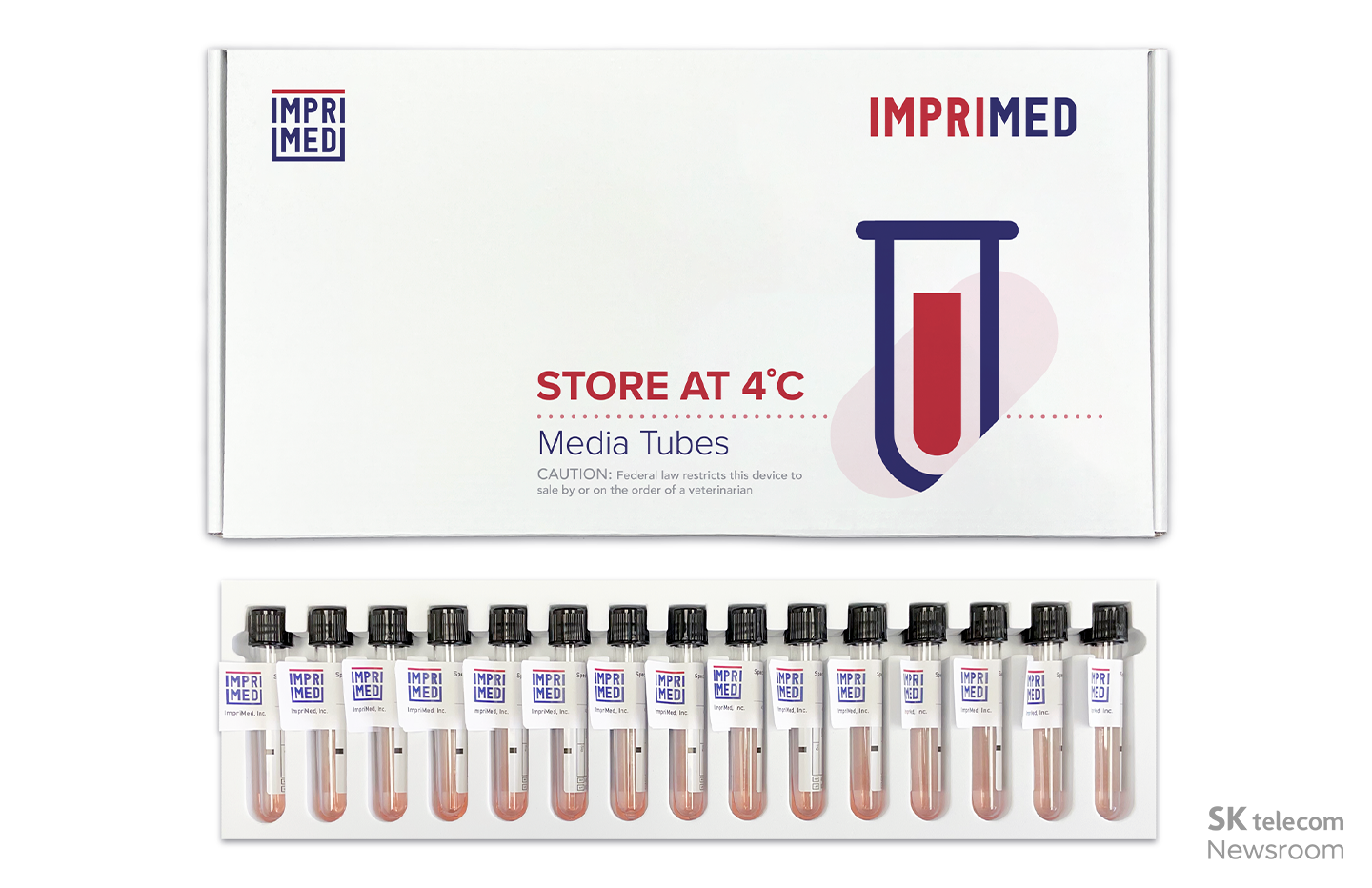
ImpriMed’s proprietary cell viability preservation solution and kit for cancer cells
Q. How is ImpriMed’s AI prediction technology being validated?
ImpriMed has developed and validated its prediction model based on over 10,000 blood cancer cases in dogs and cats, and data from more than 3.5 million human patients. Throughout this process, ImpriMed’s AI predictions have shown high match rates with actual clinical treatment outcomes as evidenced in academic papers and commercial services.
K-AI Alliance to evolve into an AI community blurring lines between industries
Q. What led you to join the K-AI Alliance as a partner company, and how has that experience been?
In 2023, SKT executives visited the SKT U.S. office, where we introduced ImpriMed. At the time, the executives showed deep understanding of our business, and we also identified technological synergies with SKT’s pet diagnostic product “X Caliber.” The meeting was so engaging and productive that it ended well after our scheduled meeting time. Subsequently, SKT participated in our Series A funding as an investor. This allowed ImpriMed to officially join the K-AI Alliance, and I now serve as the head of the K-AI Alliance’s U.S. branch.
Q. What achievements have you made since joining the K-AI Alliance?
There were several milestones. First, we successfully completed a Series A round totaling $23 million, with participation from SKT and several other investors. This enabled us to hire and place key talent such as AI data scientists in both our Korean and U.S. offices.
We also made significant progress in developing technologies and products for human patients, making commercialization possible in Korea this year and in the U.S. next year. In addition, we signed seven contracts for our CRO service, which we launched last year, establishing a new business model.
Since ImpriMed joined, more bio and healthcare AI companies are joining the K-AI Alliance. We are in active discussions with other member companies regarding potential synergies.
Q. What are your thoughts on SKT’s vision to become a “Global AI Company” and transition into an AI company?
I strongly support SKT’s transition into an AI company by leveraging its vast big data and infrastructure as a telecom provider. With its unique big data assets, data centers, data science teams, and channels for rapidly distributing new services and products to market, I believe SKT is well-positioned to gain a competitive edge in AI. The success of AI service “A.(A dot)” is a good example. I also look forward to SKT’s transformation positively influencing the structure and operations of the K-AI Alliance.
Q. What do you hope to achieve through future collaboration with the K-AI Alliance and SKT?
What impressed me the most after joining the alliance and meeting other members is that they are leaders in technology and markets across various fields. With SKT at the center providing a venue for such capable companies to gather, I look forward to identifying global market opportunities, sharing information, and collaborating to solve major challenges together.
Since each company operates with unique business models and tight schedules, it may be difficult to collaborate as a single unified team. However, I believe it is feasible to identify major issues that require solutions and enable relevant member companies to collaborate in unit-based groups. I suggest that units collaborate proactively as needed and share the profits generated by excellent products born from such a structure.
I look forward to SKT’s continued efforts in discovering promising companies and serving as a central hub to help member companies feel a true alliance identity. I also hope SKT will systematically support unit activities mentioned previously and act as a communication bridge with the government and industry.
Q. What are your plans for the future?
ImpriMed’s vision is to “Connect the Right Drugs with the Right Patients.” Our patient-tailored precision medicine services for hospitals propose the most suitable anti-cancer treatment for current patients, and our efficacy tests for drug candidates help pharmaceutical companies select highly effective drugs and responsive patient groups, increasing the chances of successful clinical trials, for future patients. ImpriMed will continue to develop precision medicine technologies for both pets and humans, expanding its development and commercialization scope beyond blood cancer to various blood-related diseases.